
The Latest Phishing Scams, and the One That Targets Home Buyers at Closing
The Latest Phishing Scams, and the One That Targets Home Buyers at Closing
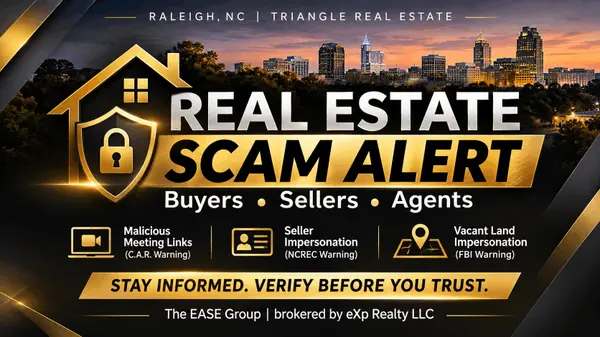
Four phishing scams are going around right now: fake Microsoft 365 outage emails, a GTA 6 pre-order lure, lookalike brand websites, and physical letters pretending to be from a crypto wallet company. And if you are buying a home, there is a fifth one to know, because wire fraud at closing can cost you your down payment.
Phishing used to be easy to spot. Bad spelling, a strange sender, an offer nobody would believe. That is not the game anymore. The scams going around this month borrow real events, real incident numbers, and real company names, and they are built to catch people who are busy and not looking for trouble. Here is what is actually out there, how each one works, and what to do about it.
What is the Microsoft 365 outage phishing scam?
After the real Microsoft 365 outage on November 12, 2026, scammers sent fake "service health" emails claiming your messages were held during the outage and will be deleted within 24 hours unless you click "Restore Messages." The link leads to a fake Microsoft login page built to steal your password.
This one is dangerous because it borrows real details. The emails cite the genuine Exchange Online incident ID, EX1550543, which Microsoft really did use for the November 12 disruption. The outage itself was a technical problem, not a hack, but the phishing campaign that followed was detected on November 13, and Microsoft Threat Intelligence warned about it publicly on November 14. Microsoft's full analysis, published November 16, calls the campaign high volume and worldwide.
What to look for:
- A subject line about an outage, claiming messages were held and will be deleted within 24 hours.
- A big "RESTORE MESSAGES" or "TAKE ACTION" button.
- Sender domains Microsoft flagged include moments-notice.com, planetmaison.com, and newbooker.com. Real Microsoft quarantine notices come only from quarantine@messaging.microsoft.com.
Microsoft never asks you to click a link to restore held messages. If you are worried about your email, check the Service Health page in the Microsoft 365 admin center by typing the address yourself. Do not follow a link in the email. (Source: Fortra, November 16, 2026)
Generated illustration, not a screenshot of a real scam email.
What is the GTA 6 pre-order phishing scam?
With Grand Theft Auto 6 launching November 19, 2026, scammers ran two waves of phishing around the hype: mass emails promising a "$4,000 bonus" with a promo code, and targeted emails posing as an HR benefit offering a "free GTA 6 pre-order" to the first 250 employees. Both lead to pages that harvest passwords and card details.
Email security company KnowBe4 tracked the surge in its Phishing Threat Trends Report. GTA-themed phishing was just 0.005 percent of threats in September 2026. By the week of October 26, it was 9.6 percent of all phishing volume. Over the October 31 to November 1 weekend, GTA-related impersonations made up 42.4 percent of all phishing emails KnowBe4 processed, more than two in every five.
The first wave is loud: a blank email with a single link to a page on Telegram's publishing site, dressed up with Vice City neon styling and AI-generated images of the game's characters, promising a "$4,000 bonus" with promo code ROCKSTAR. Clicking pushes you toward fraudulent online casinos or crypto platforms.
The second wave is sneakier and aimed at work inboxes. It poses as an employee benefits program offering a free pre-order, limited to the first 250 employees, expiring in 48 hours. Most of these arrive on weekends, when people check work email casually. The email asks you to scan a QR code with your personal phone, which takes you outside your company's security tools to a fake login page. That is called quishing, and it is built to steal your work login. (Source: KnowBe4 Threat Lab, November 2026)
What are typosquatted brand domains?
Typosquatting is when scammers register a domain name one letter off from a real brand's new website, sometimes within a day of the real one going live, so that a mistyped address or a search result lands you on a fake page. Symantec found 25 lookalike domains doing this across brands including McDonald's, Bayer, CarMax, Procter & Gamble, Abbott, and Sanofi.
Here is how the pattern works, according to Symantec's research published November 16, 2026. When a big company registers a new campaign domain through a brand-protection registrar, a one-letter lookalike gets registered the next day through a China-based registrar. The pattern repeated across 27 domain pairs, and new lookalikes were still appearing as recently as November 11, 2026.
One example: on August 26, CarMax registered carmaxclaims.com and kmxclaims.com. The next day, carmaxclaim.com and kmxclaim.com, each one letter shorter, were registered. Most of the lookalikes target campaign sites, promotions, rebates, claims pages, and settlement notices, not the company's main homepage. They can be used for phishing, credential theft, and malvertising.
The defense is simple and it works for everything in this article: type the address yourself, or use a bookmark. Do not follow a link to a claim page, a rebate page, or a "verify your account" page. If a company really has something for you, you can find it by going to their site directly. (Source: Symantec via TechRadar, November 18, 2026)
What is the SafePal letter scam?
SafePal, a hardware crypto wallet company, warned on November 12, 2026 that its customers are receiving physical letters in the mail claiming a firmware security issue and asking them to scan a QR code. The code leads to a fake website built to steal the wallet's seed phrase. SafePal says it never sends physical letters and never asks for seed phrases.
The letters are convincing because they use real customer data from an August 2026 breach of SafePal's order system, which exposed the names, addresses, and order details of about 39,798 customers who ordered between March 2, 2025 and April 11, 2026. The letters carry the recipient's real name, home address, and order details, plus a personalized QR code. The first reports came from customers in Italy.
This one only affects SafePal wallet owners, but the lesson applies to everyone: a letter in your mailbox can be phishing too. No legitimate company will ask for your seed phrase, private key, password, or two-factor code, by mail, email, or phone. If you get a letter like this, do not scan the code, and report it through the company's official scam-protection page. SafePal also confirmed that the wallets themselves were not compromised. (Source: SafePal security update, November 12, 2026)
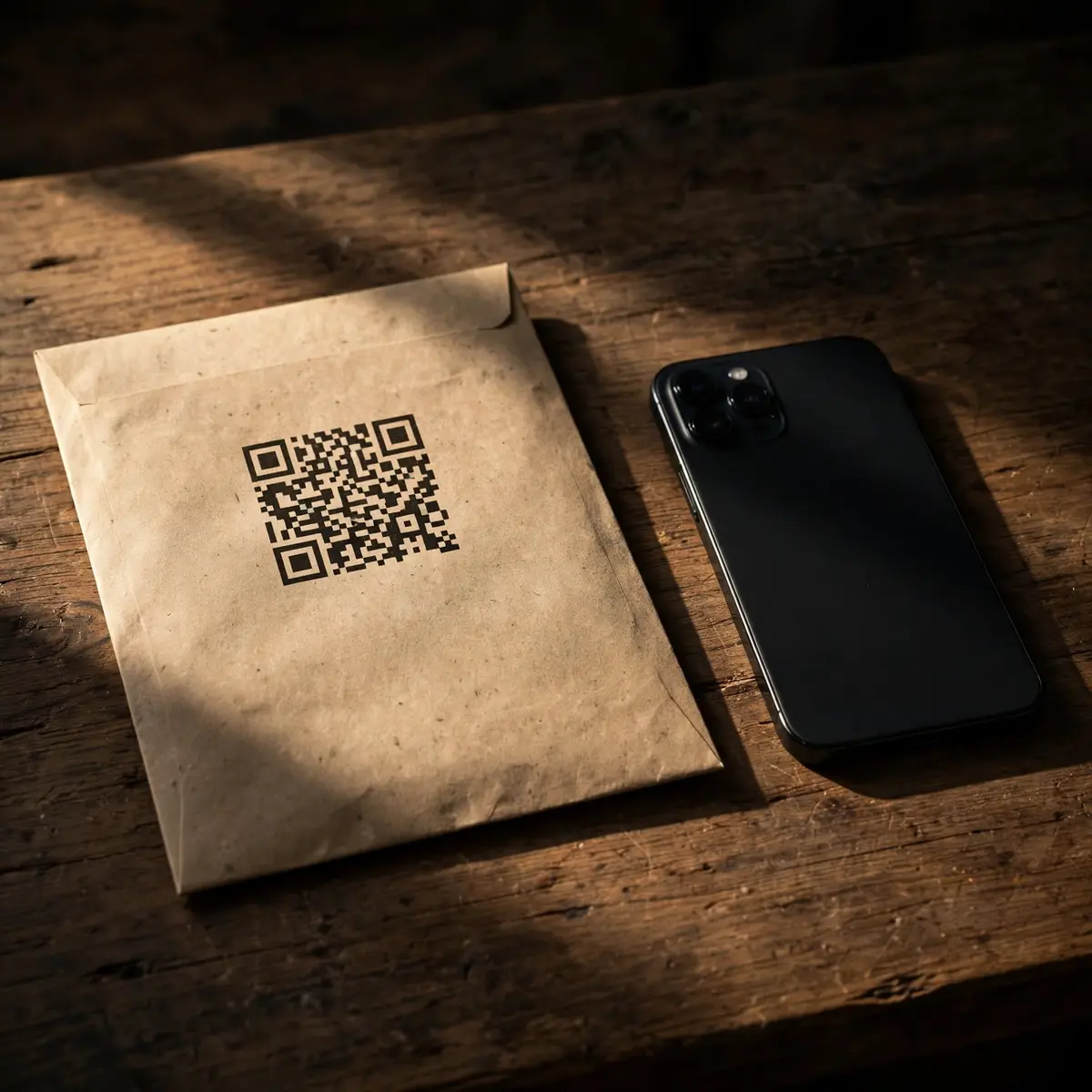
Generated illustration, not a photograph of a real letter.
| Scam | How it reaches you | What it wants | Red flag |
|---|---|---|---|
| Microsoft 365 outage | Fake service-health email | Your Microsoft password | "Restore Messages" button, 24-hour deadline |
| GTA 6 pre-order | Email or fake HR offer | Passwords, card details, crypto | Free game, 48-hour expiry, QR code |
| Typosquatted domains | Mistyped address or search result | Logins, personal information | URL one letter off from the real brand |
| SafePal letters | Physical letter in the mail | Wallet seed phrase | QR code, "firmware issue," asks for seed phrase |
| Wire fraud at closing | Email posing as your agent, lender, or title company | Your down payment wire | Last-minute change to wire instructions |
What is wire fraud at closing, and how do home buyers stop it?
Wire fraud at closing is when a scammer sends a home buyer fake wire instructions, often in an email that looks like it came from their agent, lender, or title company, and the buyer wires their down payment to the scammer's account. Once the money is sent, it is very hard to get back. The defense is one phone call: verify the wire instructions by phone, using a number you already know, before you send anything.
This is the scam I worry about most for my clients, because the stakes are a life's savings, not a password. Here is how it usually plays out. A scammer gets into an email thread, or spoofs an address so it looks like someone in the transaction, and sends "updated" wire instructions, often at the last minute, often with urgency. The email looks right. The logo is right. The names are right. The account number is not.
Three rules that will protect you:
- Never trust wire instructions from email alone. Call the title company or closing attorney on a number you already have, not a number in the email, and confirm the account number out loud before you wire.
- Be suspicious of any last-minute change. If wire instructions change the day before closing, that is the reddest flag there is. Stop, call, and confirm.
- Ask your agent and your title company how they will send instructions. Before closing day, agree on how wire instructions will reach you, and confirm that they will never change by email alone.
If you are buying a home in the Triangle and anything about your closing instructions feels off, call your agent before you send a dollar. A five-minute phone call is a small price for your down payment.
Generated illustration, not a photograph of a real closing.
How can you spot a phishing email before you click?
The fastest way to spot a phishing email is to check three things: the sender's actual email address, not just the display name; whether the message pressures you with urgency or a deadline; and whether it asks you to click a link or scan a code instead of going to the site yourself. If any of those feel off, stop and verify through another channel.
- Check the real sender address. The display name can say anything. Hover over it or tap it to see the actual email address and domain. A Microsoft notice from moments-notice.com is not from Microsoft.
- Slow down on urgency. "Deleted within 24 hours," "expires in 48 hours," "act now." Urgency is the scammer's favorite tool because it stops you from thinking.
- Never click "restore," "verify," or "claim" links in an unexpected message. Go to the site or app directly, by typing the address or using a bookmark.
- Be suspicious of offers that are too good. A free game, a $4,000 bonus, a prize you did not enter. If it sounds too good, it is bait.
- Treat QR codes like links. A code in an email or a letter can take you anywhere. Do not scan a code from a message you did not expect.
- When money is involved, verify by phone. That goes for wire instructions, invoice changes, and anything asking you to move money. Use a number you already know.
The scams in this article will be replaced by new ones next month. The pattern stays the same: a real event, a real name, a fake message, and a deadline to make you hurry. Slow down, check the sender, and verify through a channel you trust. That is the whole defense, and it works.
Wilogé Cole Jr.
The EASE Group, brokered by eXp Realty LLC
Phone: 984-400-4120 | Email: wilogecolejr@gmail.com | sellwithwcolejr.com
Categories
Recent Posts